
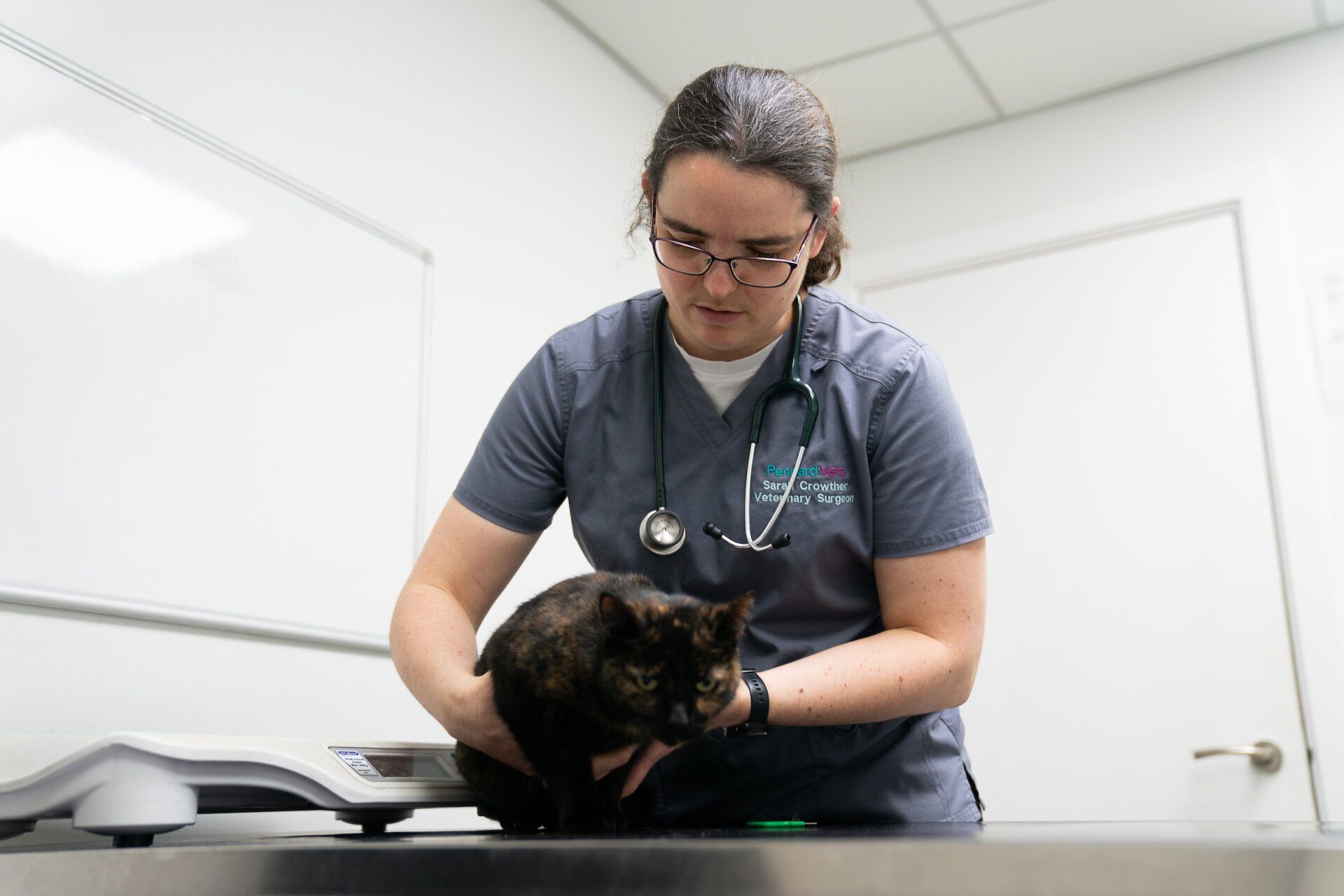

As our feline friends age, their needs and behaviors can change subtly, often in ways that might not be immediately obvious to even the most attentive pet owners. Recognizing these signs early can significantly enhance the quality of life of our senior cats. Here, we explore some key indicators of aging in cats, the reasons behind these changes, and practical ways to support them through their golden years.
Signs of Aging in Cats
Senior cats may demonstrate several behavioral and physical signs as they age, including:
– Adopting a crouched position, especially in their back legs.
– Showing reluctance or inability to jump onto previously frequented surfaces.
– A noticeable decrease in activity, such as less interest in playing with toys.
– Neglecting their grooming routine, leading to a less pristine coat.
Why These Changes Occur
It’s easy to assume that cats slow down simply because they are getting older. However, these changes are often due to discomfort or pain in their joints. This realization underscores the importance of monitoring our pets closely and seeking veterinary guidance when changes arise.
How to Help Your Aging Cat
1. Medical Support: If your cat is displaying signs of mobility issues or any other age-related changes, consulting with a vet is crucial. They can offer options ranging from physiotherapy to medications tailored to your cat’s specific needs.
2. Grooming Adjustments: For cats struggling with self-grooming, a quiet pair of clippers can safely remove mats, and a good brush can help eliminate dead hair, which is particularly helpful during the molting season. Additionally, as their activity levels decrease, cats may need help trimming their nails to prevent them from snagging on furniture or causing pain.
3. Mobility Aids: Creating ramps can aid your cat in accessing their favorite perches without the pain or difficulty of jumping. This simple adjustment can significantly improve their quality of life.
4. Personal Care: Some senior cats may even enjoy a bit of extra help with their facial grooming. A wet, soft toothbrush can gently clean their face, mimicking the comforting texture of a cat’s tongue.
The Importance of Regular Health Checks
Enrolling in the Pet Health Club ensures that senior cats receive comprehensive health monitoring, including blood work, urine analysis, and blood pressure checks. These assessments are invaluable in detecting issues early and determining the most effective interventions or medications to support your cat’s health and comfort.
Sign up here to the Pet Health Club to recieve the amazing benefits!
In Conclusion
Aging is a natural part of life for our feline companions, but discomfort and declining health don’t have to be. By understanding the signs of aging and knowing how to support our pets through their senior years, we can help them lead comfortable, joyful lives. If you’ve noticed any changes in your senior cat’s behavior or physical condition, please reach out to schedule their next check-up. Together, we can ensure that your beloved cat enjoys their golden years to the fullest.

